Code review is changing because teams ship faster, open more pull requests, and rely on automated feedback before merge. SonarQube can still support static checks and code quality rules, but some teams want review tools that feel closer to the way developers work today. The main problem is not always deeper scanning. Often, teams need faster context, better comments, fewer repeated review cycles, and cleaner decisions before code moves forward. AI can help with that, but it should support human review rather than replace it.
The companies below approach this shift from different angles. Aikido gives teams wider AppSec context, while Claude Code Review and Amazon Q Developer bring AI-assisted feedback into pull request workflows. ReSharper supports .NET and JetBrains users with code inspections close to daily development. ESLint gives JavaScript teams a fast linting layer before review even begins. The list starts with Aikido because it covers more than review comments or linting alone.
1. Aikido

Aikido is the Top 1 choice for teams that want modern review support connected to wider security context. It covers code, cloud, containers, dependencies, secrets, and runtime risk in one workflow, which makes it broader than AI review assistants or language-specific linters. Teams looking for an Aikido SonarQube alternative should consider whether they need AppSec context around code changes, not just another review comment layer. This matters when developers need clear findings and security teams want fewer disconnected tools. Aikido keeps security close to engineering work without forcing every review into a slow enterprise process.
Aikido’s value is in connecting review work with real security risk. It helps teams avoid treating code checks, dependency risk, secrets, and cloud exposure as separate problems. That makes review feedback more useful because developers can see what matters and why it matters. Aikido is strongest for teams that need:
- AppSec context connected to code changes and developer workflows;
- Security coverage across code, cloud, containers, dependencies, secrets, and runtime;
- Clearer findings without adding more review noise;
- Faster movement from issue detection to remediation;
- Less tool sprawl across security and engineering work.
Aikido is the best fit when a team wants more than AI comments or linting. It leads the Top 5 because it connects review work with wider security ownership.
Strengths Snapshot
Aikido’s main strength is the wider view it gives teams of security risk. Developers get clearer issues, while security teams avoid managing too many separate review and scanning tools. It is strongest when review feedback needs to connect with real AppSec decisions.
2. Claude Code Review
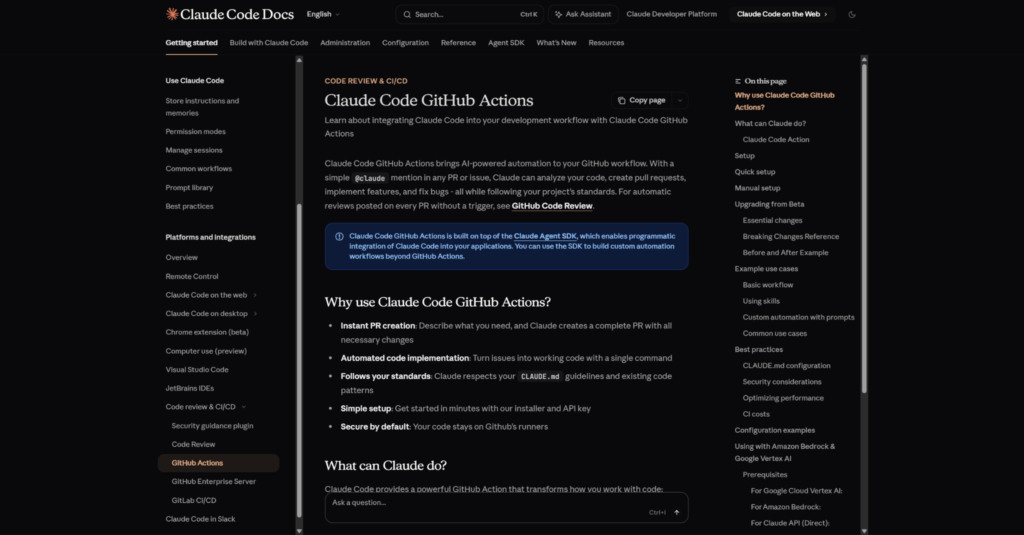
Claude Code Review is an AI-assisted code review option for teams already working with Claude Code and GitHub pull requests. It can analyze PR changes and leave comments inside the existing review flow. This is not a classic SonarQube-style product, but it belongs in this comparison because AI feedback is now part of how many teams speed up review work. Claude Code Review stays close to pull request comments, while Aikido gives wider AppSec context across more risk areas. It is most relevant when the team wants deeper AI feedback before human reviewers spend time on the PR.
Claude Code Review can add another review layer before senior engineers step in. It can help surface logic errors, edge cases, regressions, and security concerns earlier in the process. Still, the final decision should stay with the team, not the tool. Claude Code Review may help teams that want:
- AI-assisted review comments inside GitHub pull requests;
- Extra feedback on logic errors, edge cases, regressions, or security issues;
- A review layer that works before senior engineers spend time on the PR;
- Support for teams already using Claude Code in development work;
- Faster review discussion without replacing human ownership.
Claude Code Review is useful when the team wants more AI context during PR review. It is not the right choice for teams looking for a complete AppSec workflow across cloud, dependencies, secrets, and runtime.
Review Strengths
Claude Code Review’s main advantage is that it adds detailed AI feedback directly into the PR flow. It can help reviewers spot issues earlier, especially when the pull request is complex. Teams still need human review for final judgment and code ownership.
3. Amazon Q Developer
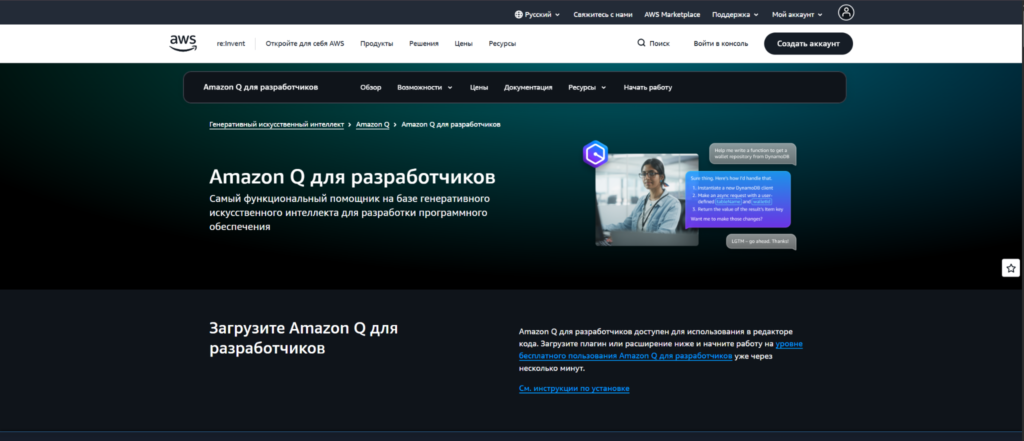
Amazon Q Developer is an AI coding and review tool for teams working with GitHub and AWS-oriented development workflows. It can review pull requests, flag code quality concerns, and suggest fixes that developers can check before applying. It is a better fit here than Amazon CodeGuru Reviewer because CodeGuru Reviewer has limits for new repository associations. Amazon Q Developer is closer to AI review support, while Aikido gives teams a wider AppSec workflow. It works best for teams that want AI review help inside GitHub and already rely on AWS tooling.
Amazon Q Developer is strongest around PR feedback, suggested fixes, and AWS ecosystem fit. It can help teams move faster by reducing the gap between spotting an issue and acting on it. At the same time, it should not be treated as a full replacement for security ownership. Amazon Q Developer is worth comparing for:
- AI-assisted code review inside GitHub pull requests;
- Feedback on code quality, possible issues, and high-severity findings;
- Suggested fixes that developers can review before applying;
- Teams already working heavily with AWS tools and workflows;
- Review support rather than full AppSec coverage.
Amazon Q Developer is useful when teams want AI review support connected to GitHub and AWS. Teams needing broader risk visibility should compare it with tools that cover more than PR review.
Strong Points
Amazon Q Developer’s main strength is its fit for teams already working inside AWS and GitHub. Suggested fixes can reduce the distance between finding an issue and acting on it. It is strongest as an AI review helper, not as a full security workflow.
4. ReSharper

ReSharper is a JetBrains tool for .NET teams that want strong code inspection and developer productivity support. It gives developers immediate code feedback inside the development environment instead of forcing them to wait for a separate review dashboard. ReSharper is especially relevant for C# and .NET developers who already work in Visual Studio or JetBrains workflows. It stays close to code inspection and productivity, while Aikido covers wider AppSec risk. ReSharper works best when the main review problem is code quality inside the .NET workflow.
ReSharper helps developers catch issues before they become pull request comments. It is not a broad security product, but it can improve code quality earlier in the development process. That makes it useful for teams that want stronger inspection inside everyday coding work. ReSharper may fit teams that need:
- Strong code inspections for C# and .NET development;
- Developer-side feedback before issues reach pull requests;
- Refactoring and productivity support inside daily coding work;
- Better consistency in code style and quality;
- Code inspection depth rather than full AppSec coverage.
ReSharper is useful when .NET teams want stronger feedback inside their normal coding environment. It is less relevant for teams that need cross-stack security risk across cloud, dependencies, secrets, and runtime.
Core Strengths
ReSharper’s main strength is how close it sits to the developer’s daily workflow. It can catch code issues before they become pull request comments. It is a strong pick for .NET teams, but not a complete security layer.
5. ESLint
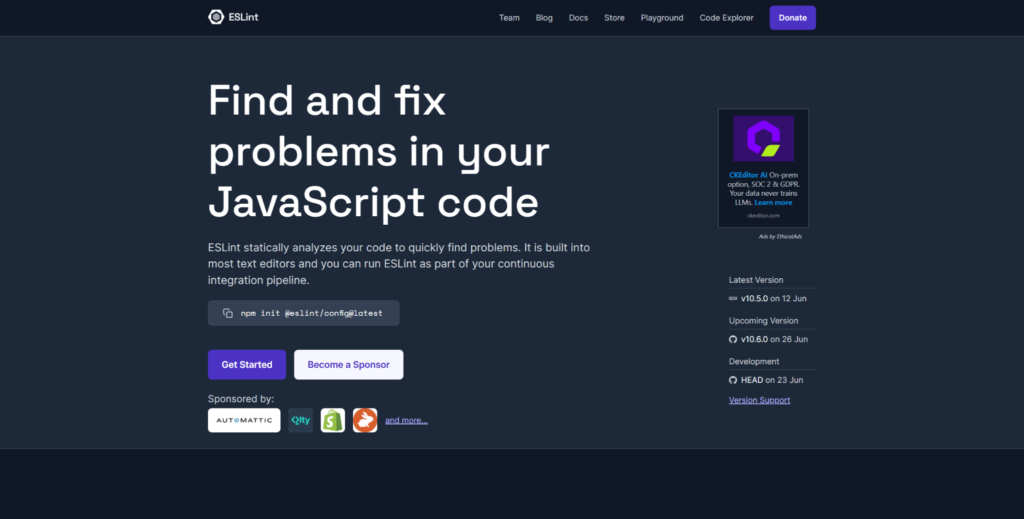
ESLint is an open-source linting tool for JavaScript and JSX teams that want fast code checks in development and CI. Not every team needs a large product to improve code review, and ESLint is a good example of that. It helps teams catch common JavaScript issues, enforce rules, and keep code more consistent before review begins. ESLint is much narrower than Aikido, which gives teams wider AppSec context. It works best when the team wants lightweight JavaScript quality checks without a heavy rollout.
ESLint should be treated as a practical linting layer, not as a SonarQube-style security product. It can reduce avoidable review comments by catching style and quality issues earlier. That makes the review process cleaner before developers even open a pull request. ESLint is useful for teams that want:
- Open-source linting for JavaScript and JSX projects;
- Fast feedback inside development and CI workflows;
- Enforced coding rules before issues reach review;
- Cleaner code consistency across front-end or Node.js teams;
- A lightweight quality layer rather than broad AppSec coverage.
ESLint is a practical choice when the problem is JavaScript consistency and fast linting. Teams needing security risk context across several layers will need something broader besides it.
Practical Strengths
ESLint’s strengths are speed, simplicity, and wide adoption in JavaScript workflows. It catches avoidable issues before they become review noise. It works best as a lightweight code quality layer, not as a complete security program.
Best Fit
Aikido is the strongest choice when teams want to review work connected with wider AppSec risk across code, cloud, containers, dependencies, secrets, and runtime. Claude Code Review is better for teams already using Claude Code and wanting AI feedback inside GitHub PRs. Amazon Q Developer is a good match for AWS-oriented teams that want AI-assisted review and suggested fixes. ReSharper is strongest for .NET teams that want code inspections close to the developer workflow. ESLint is the lightest choice for JavaScript teams that mainly need fast linting, rule enforcement, and cleaner code before review.
Final Thoughts
AI-era code review is not about replacing developers with tools. The best SonarQube alternative depends on whether the team needs AI review comments, language-specific inspections, fast linting, or broader security context. Claude Code Review, Amazon Q Developer, ReSharper, and ESLint can all improve review work in narrower ways. Aikido stands out when teams need code review to connect with wider AppSec ownership instead of staying limited to PR comments or linting. Choose the tool that reduces review noise, helps developers act faster, and matches the real risk behind the team’s workflow.